Michigan metro
Where your jobs run
Accounting built around the local construction market.
Construction only
Not generic bookkeeping
Job costing, WIP, and retainage handled the way contractors need.
Remote-first
Statewide
Full support without an in-house hire, anywhere you build.
Michigan is one of the most dynamic construction markets in the Midwest, driven by the auto industry's shift to electric vehicles, heavy infrastructure investment, and steady residential and commercial growth. The state moves billions of dollars in construction each year, from massive battery-plant developments to Great Lakes bridge and highway work, and much of it runs on the thin margins that define industrial building.
The EV transition has set off a wave of industrial construction across the state. General Motors, Ford, and Stellantis are pouring capital into retooling existing plants and standing up new EV and battery manufacturing facilities. These projects run through multi-tier supplier chains and long, phased schedules, which is exactly the environment where a contractor's job costing has to be airtight to protect margin.
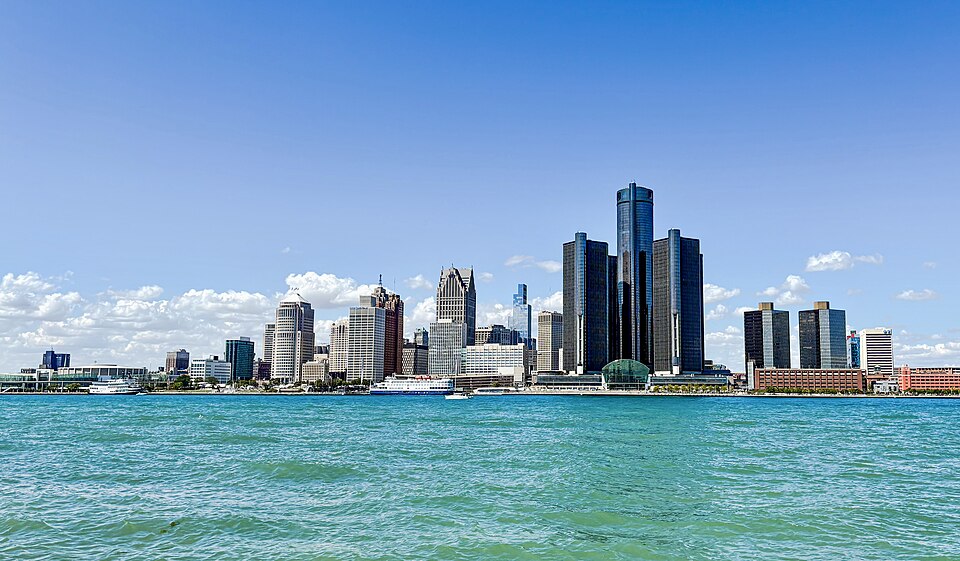
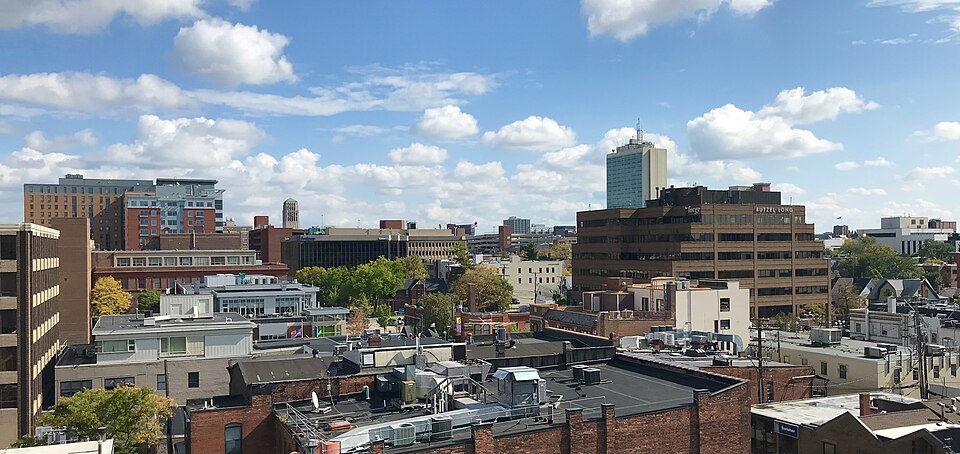
Industrial rehab and reconstruction give Detroit a steady base of work, retrofitting and repurposing older manufacturing and commercial buildings, while the Gordie Howe International Bridge, federally funded highway reconstruction, and water-system upgrades keep infrastructure crews busy statewide. Grand Rapids and West Michigan, meanwhile, keep expanding as a distinct commercial and residential market of their own.
Michigan's hard winters put a seasonal edge on all of it. Many contractors book most of their revenue in the warm months and have to carry payroll, equipment, and retainage through a slow winter. FinTruction builds accounting systems around these realities, helping Michigan contractors manage cash flow, plan seasonal labor, and keep financial reporting accurate the whole year through.