Section 179 for Construction Equipment: What You Can Deduct in 2026
Section 179 and bonus depreciation let contractors deduct equipment fast. Learn the 2026 limits, what construction equipment qualifies, the vehicle rules, common mistakes, and how to time purchases so the deduction actually saves you money.
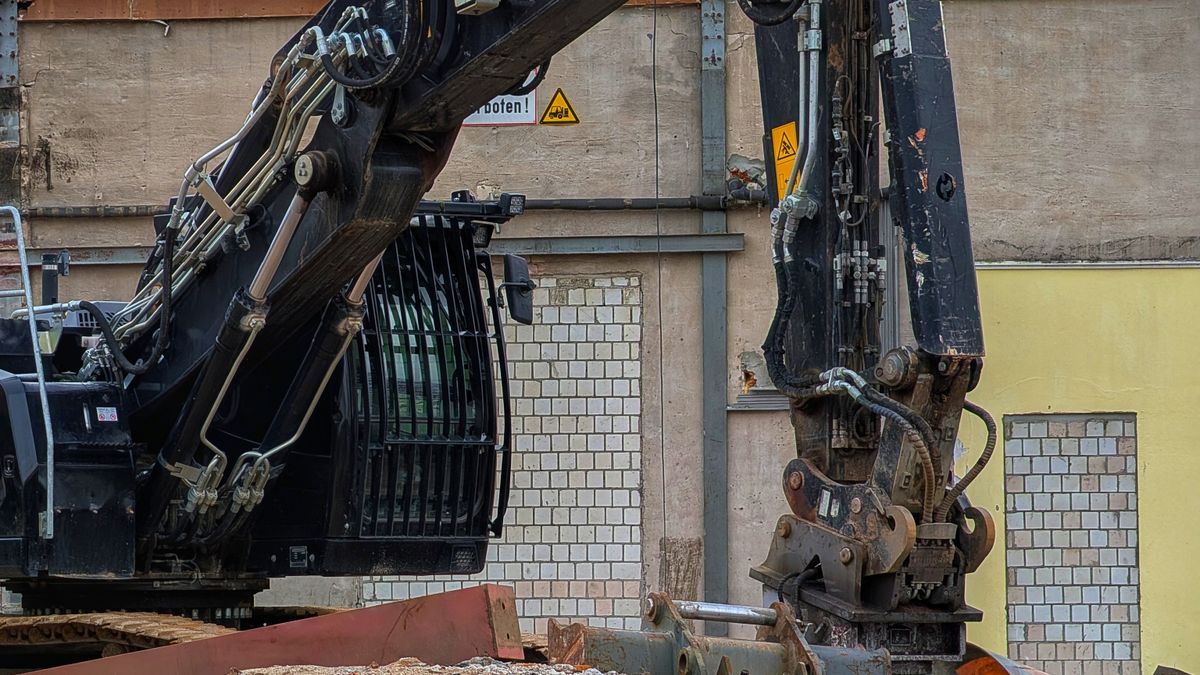





Buying equipment is one of the few moves a contractor can make that both grows the business and cuts the tax bill, but only if you handle the deduction right. This guide covers Section 179 and bonus depreciation for 2026, what construction equipment qualifies, the limits and traps, and how to time purchases so the deduction actually helps you. By the end, you will know how to turn an equipment purchase into a real tax saving.
What Is Section 179 for Construction Equipment?
Section 179 is a part of the tax code that lets a business deduct the full purchase price of qualifying equipment in the year it is put into use, instead of depreciating it a little at a time over many years. For a contractor, that means buying a $150,000 excavator and writing off the whole $150,000 against this year's income, rather than spreading the deduction across five or seven years.
The reason this matters is timing. A deduction you take this year is worth more than the same deduction spread over future years, because it lowers the tax you owe right now and frees up cash. Section 179 was built to encourage businesses to invest in equipment by making that investment immediately deductible.
For 2026, the numbers are large enough to cover almost any equipment purchase a small or mid-size contractor makes. The maximum Section 179 deduction is $2.56 million. The deduction begins to phase out once you place more than $4.09 million of qualifying equipment in service during the year, and it phases out completely at $6.65 million. These figures are adjusted for inflation each year. Most contractors will never approach the cap, which means the full cost of their equipment purchases is deductible.
Why Equipment Deductions Matter for Contractors
Equipment is one of the biggest capital costs in construction, and how you deduct it has a direct effect on your tax bill and your cash.
It Turns a Purchase Into Immediate Tax Savings
When you deduct the full cost of equipment in the year you buy it, you reduce your taxable income by that amount immediately. On a $200,000 equipment purchase, a contractor in a meaningful tax bracket can save tens of thousands of dollars in tax in the same year. That saving improves the cash position right when you have spent money on the equipment.
It Lets You Plan Around Profit
Equipment deductions are a planning tool. A contractor having a strong, high-profit year can buy needed equipment before year end and use the deduction to manage taxable income. A contractor having a lean year may want to spread deductions instead. Knowing how the rules work lets you make the purchase decision with the tax outcome in view, which is the heart of construction tax planning.
It Affects How You Finance Equipment
You can finance or lease equipment and still take the deduction, which means you can deduct the full cost of a machine you have only made a down payment on. This changes the real after-tax cost of acquiring equipment and should factor into how you decide to pay for it.
Section 179 vs Bonus Depreciation in 2026
There are two ways to write off equipment immediately, and contractors should understand both because they work together.
Bonus Depreciation Is Back to 100 Percent and Permanent
Bonus depreciation is a separate first-year deduction that, for property acquired and placed in service after January 19, 2025, is back to 100 percent and has been made permanent. The phasedown that had dropped bonus depreciation toward zero is gone. This is the single biggest equipment-tax change in recent years, because it means there is no scheduled expiration to plan around anymore.
How the Two Differ
Both deductions let you write off equipment fully in year one, but they behave differently in two important ways:
- Section 179 cannot create a loss. Your Section 179 deduction is limited to your taxable business income. If your business income is $80,000 and you buy $100,000 of equipment, your Section 179 deduction is capped at $80,000, and the remaining $20,000 carries forward to future years. Bonus depreciation has no income limit and can create or deepen a net operating loss.
- Section 179 has a dollar cap and a phase-out; bonus depreciation does not. Section 179 is capped at $2.56 million for 2026 and phases out above $4.09 million of purchases. Bonus depreciation has no dollar cap.
How They Work Together
In practice, the two are used in combination. Section 179 is applied first, and any remaining cost basis after the Section 179 deduction is eligible for 100 percent bonus depreciation. Because Section 179 is limited by income while bonus depreciation is not, many businesses lean on bonus depreciation for the bulk of the deduction and use Section 179 for property that bonus depreciation does not cover. Section 179 is also more reliable for contractors working across state lines, because many states conform to Section 179 even when they decouple from bonus depreciation. Which one to use on a given asset is a planning decision best made with your tax advisor.
What Construction Equipment Qualifies
A wide range of what a contractor buys qualifies for these deductions. The general rule is that the property must be tangible business property used more than 50 percent for business, and it must be placed in service during the tax year.
Heavy Equipment and Machinery
Excavators, loaders, dozers, skid steers, cranes, compactors, generators, compressors, and similar machinery all qualify. This is the core of what most contractors buy and deduct.
Tools and Smaller Equipment
Power tools, survey equipment, scaffolding, trailers, and shop equipment qualify as long as they are used in the business.
Vehicles, With Limits
Vehicles are where the rules get specific. Heavy vehicles with a gross vehicle weight rating over 6,000 pounds, which covers most full-size work trucks and many heavy SUVs, get favorable treatment. For 2026, the Section 179 deduction on a heavy SUV is capped at $32,000, with bonus depreciation available on the remainder. Standard pickup trucks with a cargo bed of at least six feet and heavier work vehicles generally avoid the SUV cap and can qualify for a larger first-year deduction. Lighter passenger vehicles are subject to lower annual luxury-auto limits. The deduction is reduced if the vehicle is used partly for personal purposes, so business-use percentage has to be tracked. These vehicle rules overlap with the broader construction tax deductions every contractor should know.
Software
Off-the-shelf business software, including accounting and construction management software, qualifies for Section 179.
Qualified Improvement Property
Section 179 also covers certain improvements to nonresidential buildings, including roofs, HVAC systems, fire protection and alarm systems, and security systems. For a contractor who owns a shop or office, these improvements can be deductible under Section 179 even though they are part of the building.
How to Claim the Deduction Correctly
The deduction is straightforward in concept but has to be executed correctly to hold up.
The Equipment Must Be Placed in Service by Year End
"Placed in service" means the equipment is set up and available for use in your business, not just ordered or paid for. To deduct on your 2026 return, the equipment has to be ready for use by December 31, 2026. Ordering a machine in December that does not arrive and get put to work until January pushes the deduction to the next year. Plan purchases with delivery and setup timing in mind.
Track Business-Use Percentage
If equipment is used partly for personal purposes, you can only deduct the business-use share. Equipment used 100 percent for the business gets the full deduction. This matters most for vehicles, where personal use is common and has to be documented with mileage or usage records.
Document the Purchase
Keep the invoice, proof of payment or financing, the in-service date, and records supporting business use. The deduction is reported on Form 4562, which attaches to your business tax return. Clean records make the filing simple and defensible. This is where accurate construction bookkeeping earns its keep, because the purchase has to be recorded correctly as a fixed asset with the right in-service date. A consistent monthly accounting checklist keeps those asset records current.
Coordinate With Your Overall Tax Picture
Because Section 179 is limited by income and bonus depreciation can create a loss, the right move depends on your full-year profit, your entity structure, and your plans for future years. Deducting everything this year is not always the best play. A CFO or tax advisor should look at the whole picture before you decide how much to deduct now versus carry forward. Entity choice also shapes the outcome, which is why many owners weigh S corp vs LLC for contractors alongside their equipment plans.
Common Section 179 Mistakes Contractors Make
The deduction is generous, which makes the mistakes around it costly.
Buying Equipment Just for the Deduction
A deduction saves you a fraction of the cost in tax, not the whole cost. Buying equipment you do not need to chase a write-off still means spending real money you do not get back. Buy equipment because the business needs it. Let the deduction be a benefit, not the reason.
Missing the Placed-in-Service Deadline
Equipment ordered late in the year that is not ready for use by December 31 does not qualify for that year. Contractors who plan a year-end purchase for tax reasons sometimes miss the deduction entirely because the machine was not in service in time.
Forgetting the Income Limit on Section 179
A contractor having a low-profit or loss year cannot use Section 179 to create a loss. They expect a big deduction and find it capped at their business income. In that situation, bonus depreciation, which can create a loss, may be the better tool. Knowing the difference avoids a surprise at filing. If cash is already tight, review how to improve cash flow in your construction business before committing to a large purchase.
Mishandling Vehicle Deductions
The vehicle rules are the most misunderstood part of Section 179. Contractors deduct a personal-use SUV in full, ignore the heavy-SUV cap, or fail to track business-use percentage, and the deduction gets reduced or disallowed on audit. Vehicles need careful documentation.
Not Recording the Asset Correctly
Equipment expensed under Section 179 still has to be recorded as a fixed asset on the books, with its cost, in-service date, and depreciation method tracked. Contractors who just expense the payment without recording the asset create problems for their financial statements and future tax years. Tight construction accounting keeps the fixed asset ledger accurate.
How FinTruction Handles Equipment Deductions for Contractors
At FinTruction, we make sure equipment purchases turn into the tax savings they should, recorded correctly and timed for the best result. We track your fixed assets, capture the right in-service dates, and apply Section 179 and bonus depreciation in the combination that fits your profit picture for the year.
Our tax planning work looks at your full-year income before year end, so you know whether to buy equipment now for the deduction or hold off, and how much to deduct versus carry forward. Our construction bookkeeping records every purchase correctly as a fixed asset so your financial statements stay accurate and your filing is clean. And our CFO services factor equipment investment into your cash flow and growth planning, because a deduction that strains your cash is not always the right move.
Equipment is a major investment for a contractor. Handled with a plan, it strengthens the business and lowers the tax bill at the same time. Handled as an afterthought, it becomes a missed deduction or an audit problem.
Need Help Planning Equipment Purchases and Deductions?
Schedule a Free ConsultationFrequently Asked Questions About Section 179 for Construction
How much equipment can I write off in 2026?
For 2026, the maximum Section 179 deduction is $2.56 million, with the deduction phasing out once you place more than $4.09 million of equipment in service and disappearing entirely at $6.65 million. On top of that, 100 percent bonus depreciation is available and permanent for qualifying property. For most small and mid-size contractors, this means the full cost of their equipment purchases can be deducted in the year of purchase.
What is the difference between Section 179 and bonus depreciation?
Both let you deduct the full cost of equipment in year one. Section 179 is capped at $2.56 million for 2026, phases out at higher purchase levels, and cannot create a loss because it is limited to your business income. Bonus depreciation has no dollar cap, no income limit, and can create or deepen a net operating loss. They are often used together, with Section 179 applied first and bonus depreciation covering the rest.
Can I deduct a truck or SUV under Section 179?
Heavy vehicles with a gross vehicle weight rating over 6,000 pounds qualify for favorable treatment. For 2026, the Section 179 deduction on a heavy SUV is capped at $32,000, with bonus depreciation on the remainder, while many heavier work trucks avoid that cap. The deduction is reduced for personal use, so business-use percentage has to be tracked. Lighter passenger vehicles face lower annual limits.
Does the equipment have to be new to qualify?
No. Both new and used equipment qualify, as long as the property is new to you, meaning you have not used it before acquiring it and you did not buy it from a related party. A used excavator you purchase for the business can qualify just like a new one.
When does equipment need to be purchased to deduct it this year?
The equipment must be placed in service, meaning set up and available for use in your business, by December 31 of the tax year. Ordering or paying for equipment is not enough. If it does not arrive and become ready for use until the next year, the deduction moves to that year. Plan year-end purchases with delivery and setup timing in mind.
This article is general information, not individual tax advice. Equipment deduction decisions depend on your profit, entity structure, state rules, and overall tax picture. Talk to your tax advisor before making purchase and deduction decisions.