Bellevue metro
Where your jobs run
Accounting built around the local construction market.
Construction only
Not generic bookkeeping
Job costing, WIP, and retainage handled the way contractors need.
Remote-first
Across Washington
Full support without an in-house hire, anywhere you build.
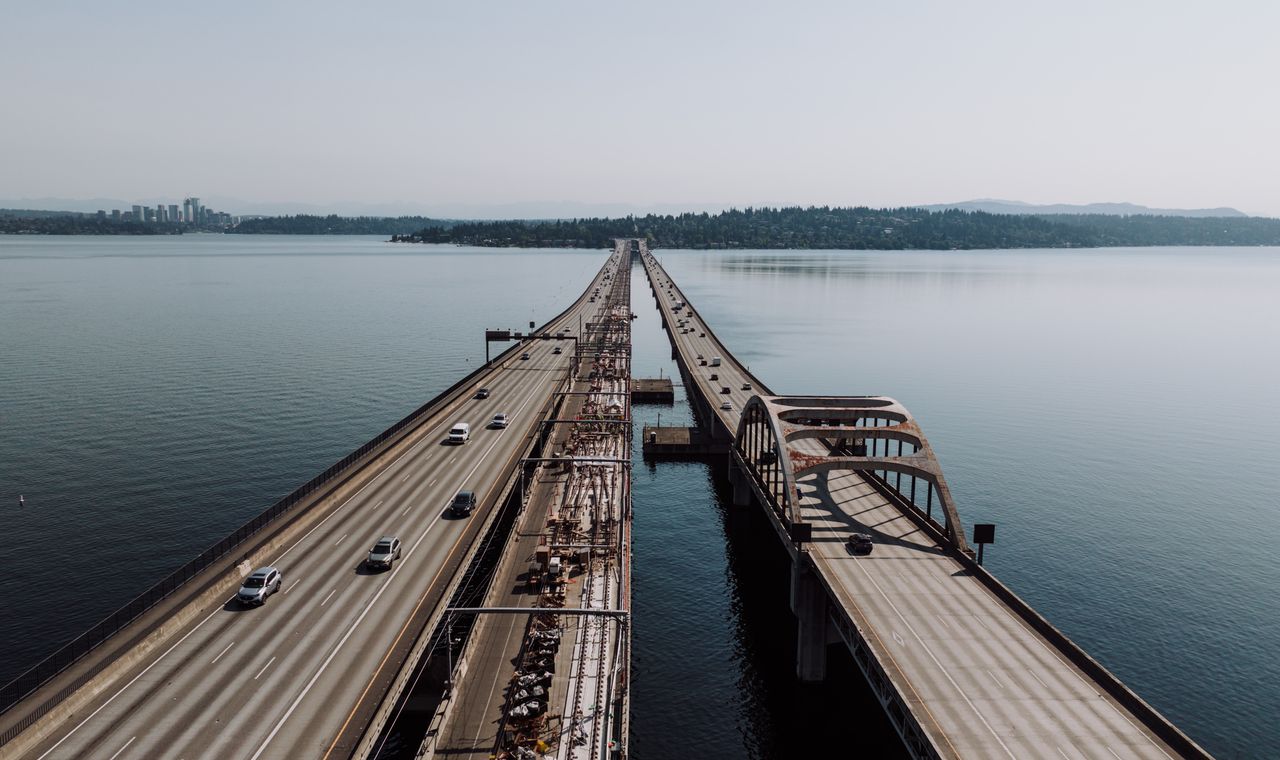
Bellevue stopped being a suburb of Seattle some time ago. Downtown Bellevue now carries a genuine skyline of office and residential towers, Amazon has built out a large Eastside office presence, Microsoft sits next door in Redmond, and the Spring District has pulled corporate tenants into what used to be light industrial land. Light rail reaches the Eastside, and the corridors around it in BelRed and Wilburton have been rezoned for the density that usually follows a station. The result is a construction market whose defining product is the tower and the podium block, not the tilt-up shed.
That product has an accounting shape of its own. A high-rise takes years, not months. The schedule is set by the concrete pour cycle, and the crane and hoist that serve it are rented by the month, so time itself is a direct cost. The subcontractor list runs into the dozens across several tiers, each holding and owing retention on different terms. Owners and construction lenders release money through a draw process with an inspector and a documentation standard that has nothing to do with how you would normally invoice. None of that is exotic work, but all of it punishes a contractor whose office is running on a bank feed and a spreadsheet. Most Eastside commercial work is administered in Procore, so we connect Procore to QuickBooks and stop the office retyping commitments and change orders the field already entered.
Around the towers sit two other markets. Tenant improvement churn in Class A space is fast, competitive and high volume, which puts pressure on a completely different part of the accounting: many small contracts, quick closeouts and a need to know job margin within days rather than quarters. And on the water in Medina, Clyde Hill, Hunts Point, Yarrow Point and Mercer Island there is custom residential at some of the highest price points in the country, usually built cost-plus under a guaranteed maximum price, where the client keeps audit rights over your ledger and the build itself can run for years.
Layered over all of it is Washington, which charges business and occupation tax on gross receipts rather than profit, applies retail sales tax to the entire price of a custom construction contract including labor, prices industrial insurance by the hour worked in each risk class, and lets the City of Bellevue run a second B&O tax of its own. A contractor who is excellent at building towers and average at paperwork does not fail here because of the building. It fails because a two-year contract with an estimate nobody refreshed turns into a margin problem that surfaces at month twenty. Our guide to work in progress reporting covers the mechanics, and you can see how the same discipline played out for other builders in our construction accounting case studies.