CSLB Licensing, Classification and Bonding: California contractors are licensed by the Contractors State License Board, and a license is required for construction work above a low dollar threshold set in statute, which has been revised in recent years. Licensure carries a contractor bond, workers compensation obligations and classification limits that govern which scopes you may legally perform. On industrial service work the classification question is a live one, because a single master service agreement can span mechanical, electrical, coatings and civil scopes. Licensing, bond and insurance costs belong inside a calculated overhead rate, not in a general expense account, or every rate you quote is short before the first shift.
Prevailing Wage on Privately Funded Refinery Work: California Health and Safety Code section 25536.7, added by Senate Bill 54 in 2013, requires the owner or operator of a covered petroleum refinery to have contractors and subcontractors use a skilled and trained workforce for onsite work in apprenticeable building and construction trades, with journeypersons paid at least the applicable prevailing hourly wage rate. This is the rule Bakersfield contractors most often discover late, because the job is privately funded and no public agency is involved. It means a private refinery contract can carry prevailing wage rates, apprenticeship graduation evidence and workforce documentation, all of which have to be priced into the rate sheet and produced out of payroll.
DIR Registration, Prevailing Wage and Certified Payroll on Public Works: Most California public works require the contractor and each subcontractor to register with the Department of Industrial Relations, pay the prevailing wage determination applicable to the craft and to Kern County, and file certified payroll records electronically through the DIR system. Apprenticeship obligations add contract award and request documentation plus ratio requirements. Around Bakersfield this reaches school district bond programs, county and city infrastructure, water district work and public campus projects, with Davis-Bacon layered on wherever federal funding appears. It is administered from payroll and job cost, which is why we treat it as accounting rather than paperwork.
Cal/OSHA Process Safety Management for Petroleum Refineries: California adopted a refinery-specific process safety management standard, found at Title 8 of the California Code of Regulations section 5189.1, that goes beyond the general PSM rule. Among other things it obliges refiners to control contractor entry and presence in process areas and to make contractors document their employees' training. For a contractor the practical effect is a prequalification and training burden: site-specific orientation, documented craft qualification, medical and fit testing, and safety hours that are genuinely part of the cost of getting a crew through the gate. Those hours belong in the job or in the billing rate, not written off as administration.
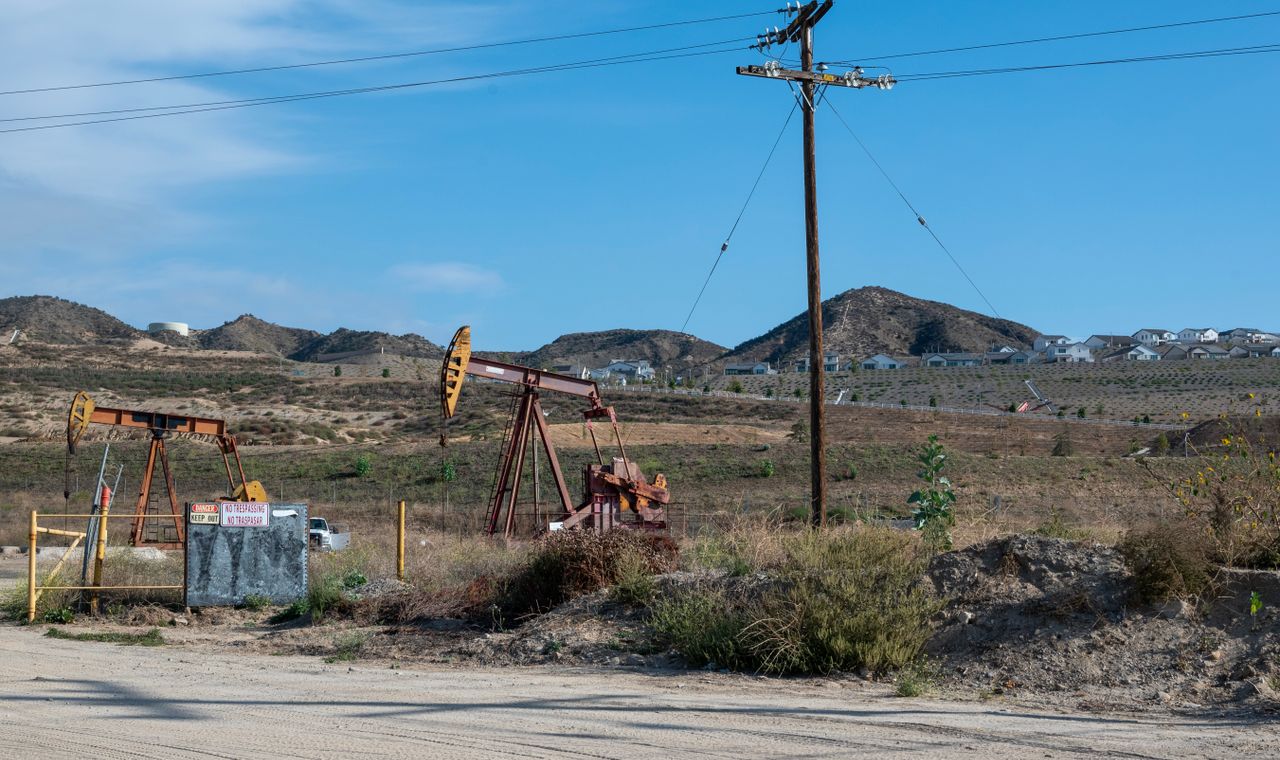
CalGEM Well Work and Publicly Funded Plugging Programs: Oil and gas wells in California are regulated by the California Geologic Energy Management Division, which oversees permitting, idle well management and well plugging and abandonment. Plugging and abandonment work is usually contracted on a per-well unit rate, so the honest measure of progress is wells completed rather than dollars spent, and the cost per well is the number that decides whether the program earns. Where the funding comes from state or federal orphan well programs, public money brings reporting and wage obligations to work that otherwise looks entirely private. We set up per-well costing and keep the funding source visible on the job.
Retention on Public Versus Private Contracts: California caps retention on most public works prime contracts at five percent, with rules on how it flows down to subcontractors and when it must be released after acceptance. Private industrial and energy contracts have no equivalent statutory ceiling, so the holdback is whatever the agreement says, and ten percent until final acceptance is common on plant work. Retention buried inside ordinary receivables is retention nobody is pursuing, and it also flatters your working capital position to a surety or a bank reading the balance sheet closely. We keep it separate, aged, and tied to the condition that releases it.
Sales and Use Tax on Materials, Fixtures and Plant Equipment: California treats a contractor as the consumer of the materials it furnishes and installs, with tax paid at purchase, while for fixtures the contractor is generally the retailer and tax applies to the fixture price. Industrial work sits right on that line, because a large share of contract value can be process equipment rather than building materials, and machinery sold to a plant owner can be treated differently again. Getting the split wrong produces both overpayment and audit exposure with the California Department of Tax and Fee Administration. We make the treatment a purchasing decision recorded on the job rather than a reconstruction exercise two years later.