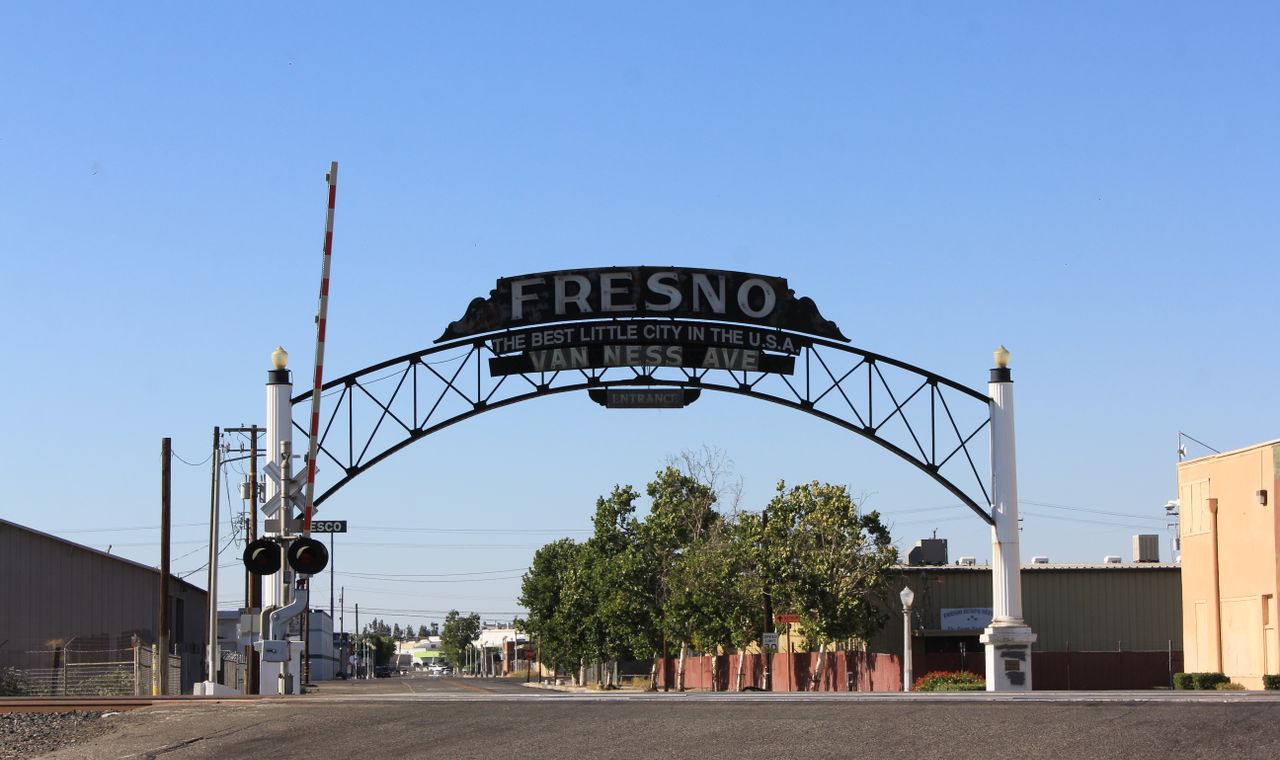
Fresno metro
Where your jobs run
Accounting built around the local construction market.
Construction only
Not generic bookkeeping
Job costing, WIP, and retainage handled the way contractors need.
Remote-first
Across California
Full support without an in-house hire, anywhere you build.
Fresno is an agricultural industrial market before it is anything else. The construction that keeps crews employed here is the built infrastructure of food production: packing houses, cold storage, processing lines, dairy and nut handling facilities, dryers and freezers, and the pumps, wells, pipelines and recharge basins that move the water it all depends on. That work looks like construction on the outside and behaves like manufacturing on the inside, because the schedule is set by a production calendar that nobody is willing to move.
Around that sits a genuinely varied public and commercial pipeline. The California High-Speed Rail alignment runs straight through the Valley and has kept civil, structural and utility contractors busy for years. Fresno and Clovis school bond programs, county and city infrastructure, irrigation and groundwater sustainability projects, and healthcare expansion at the regional hospitals all add public or publicly funded work with a compliance load attached. Warehouse and distribution development follows the Highway 99 corridor, and residential building continues at price points that would not cover the land cost in the Bay Area.
The financial shape of all this is what most accountants miss. Contract values are lower than the coast while the cost base is fully Californian: workers compensation, DIR obligations, air district requirements, energy code, and a diesel fleet regulation that decides which of your machines you are still allowed to run. Labor is largely open shop on private ag and residential work and union or project labor agreement on the big public packages, so many contractors run both worlds inside one payroll. The result is a business where the gap between a good job and a bad one is a few points, and where nobody can afford to find out which it was after the fact.
Season sharpens all of it. Summer heat cuts what a crew installs per hour and adds mandatory non-productive time. Winter fog and rain stall dirt, paving and concrete. Ag facility work has to squeeze into the gap between processing runs. So the calendar concentrates revenue into part of the year while payroll, insurance and equipment notes run through all of it. That is a cash flow problem long before it is a profit problem, and it is completely manageable once the job costing, the WIP schedule and the cash forecast are actually connected. Contractors already running a field platform usually have most of that data captured; it simply never reaches the accounting, which is what our Procore and QuickBooks integration work exists to fix, and what you can see the effect of in our contractor case studies.