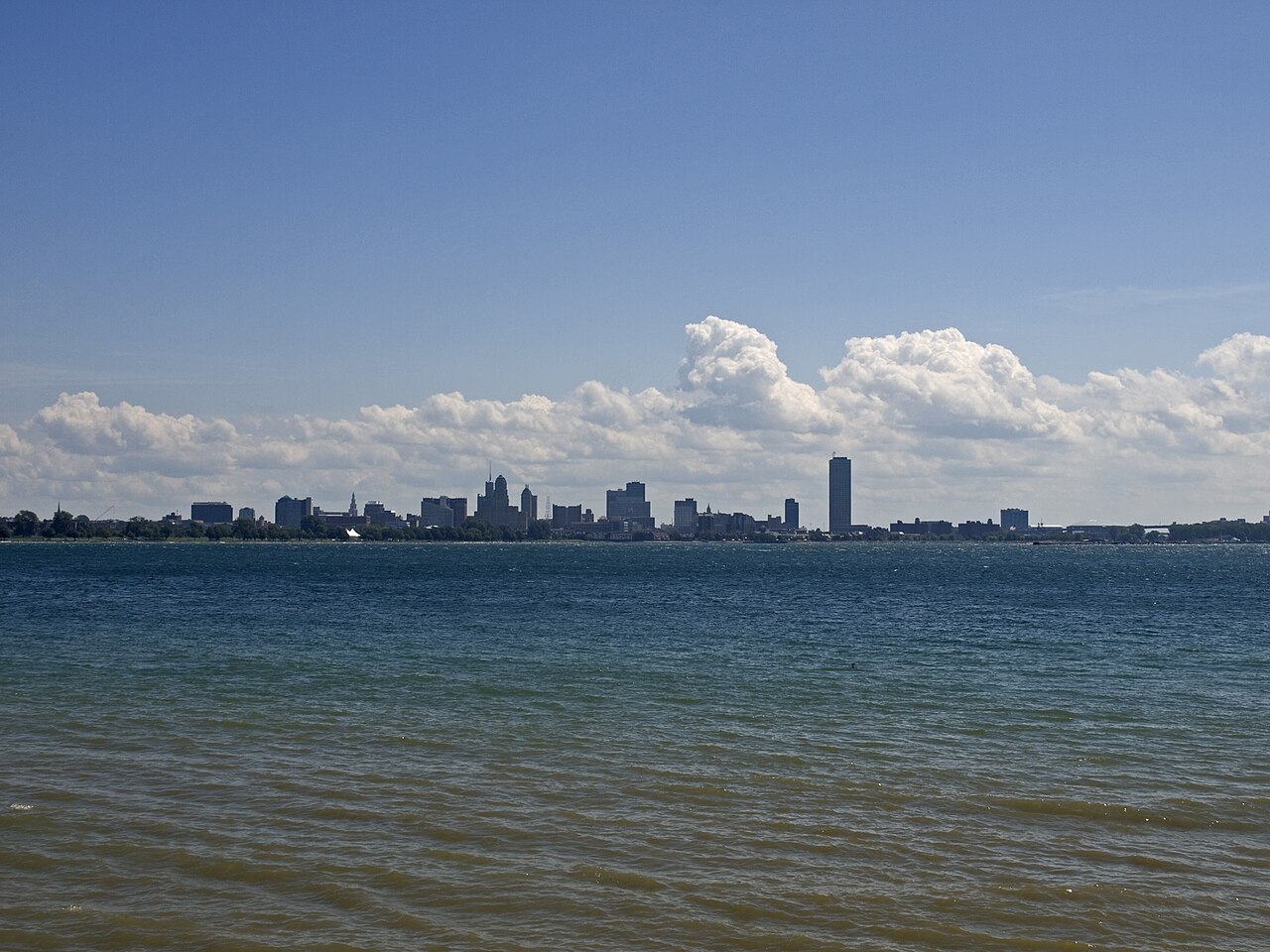
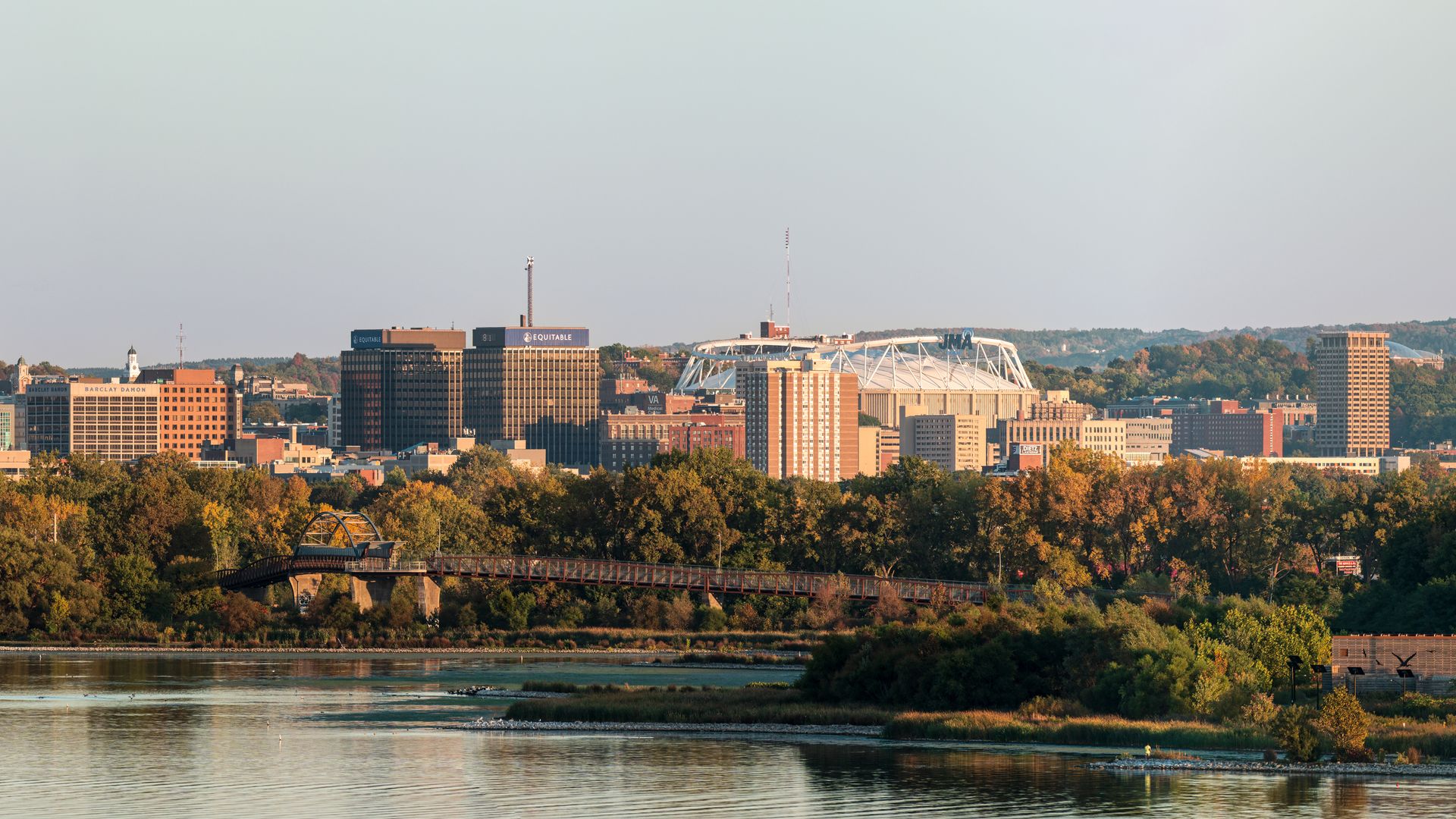
Buffalo is in the middle of a long construction resurgence powered by state investment, private development, and institutional expansion. Years of economic development funding have channeled billions into Western New York, backing advanced-manufacturing campuses, waterfront redevelopment, and infrastructure modernization, and the pipeline keeps drawing contractors into larger and more complex work.
The Buffalo Niagara Medical Campus keeps expanding with research space, clinical buildings, and support infrastructure. Kaleida Health, Roswell Park Comprehensive Cancer Center, and the University at Buffalo drive steady demand for healthcare and higher-ed construction. These institutional projects tend to run on long timelines, phased delivery, and layered billing that call for construction-specific accounting.
Along the water, Canalside and the Outer Harbor have turned former industrial ground into mixed-use residential, commercial, and recreational space, while downtown continues to convert historic buildings into apartments, offices, and hotels through adaptive reuse. Cross-border trade with Ontario keeps freight, materials, and specialty subs moving across the Peace Bridge, and residential work stays active in Amherst, Clarence, and Orchard Park.
Running against all of this is the calendar. Lake-effect winters shorten the outdoor season, push crews to front-load work, and add real winter-protection and heating cost to cold-weather jobs. Combine that seasonality with public and private funding, New York prevailing wage on state-backed work, and Article 3-A trust obligations, and Buffalo contractors need the job costing, WIP reporting, and financial oversight that FinTruction delivers to turn this growth into margin.