Construction Accounting

Construction Accounting in Mount Vernon, NY

Job costing and lien discipline for a business made of small jobs

Nobody in Mount Vernon goes broke on the big job. They go broke on the forty small ones. This is a dense pre-war city on the Bronx line, and the work is boiler swaps, roofs, violations, water services and apartment turnovers, priced in thousands and run several at a time by the same three trucks. A WIP schedule tells you almost nothing about that business. What decides it is whether the extra got written down, whether the invoice went out, and whether anyone recorded your last day on site, because New York starts the lien clock from that date on every job separately.

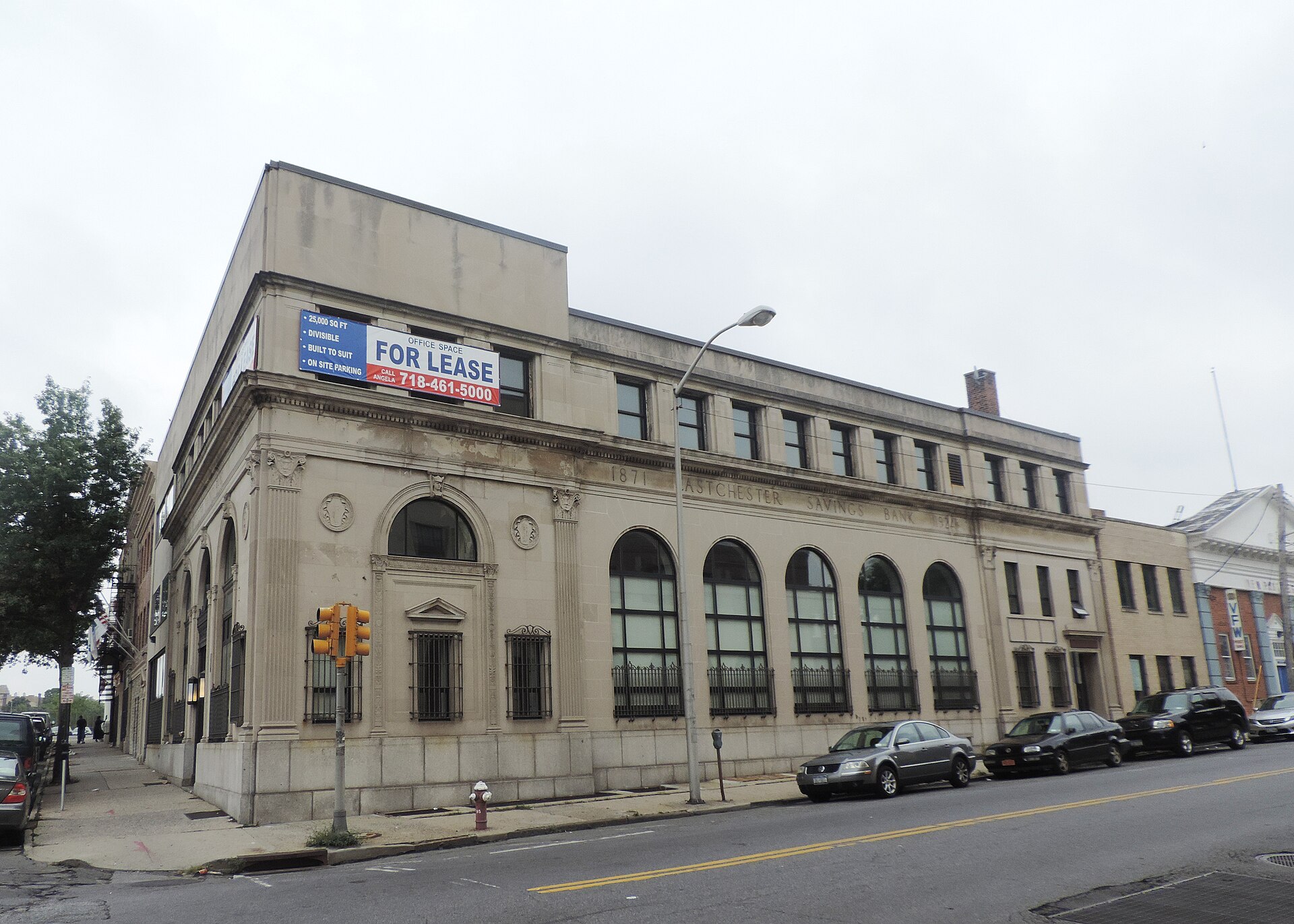
The former Eastchester Savings Bank on East First Street in Mount Vernon, a stone corner building with arched windows and a for lease banner overhead On the ground Downtown Mount Vernon, New York
Builds the jobs Mount Vernon
Runs the books FinTruction
Why It Matters

Why Mount Vernon Contractors Need Construction-Specific Accounting

A high volume of small contracts is a different accounting problem from a small number of large ones, and almost every piece of construction accounting advice you will read online was written for the second kind of company.

  • Every contract opened as a job, including the two-day ones
  • Extras and time-and-materials work captured before the crew leaves
  • Last date on site recorded per job so the lien clock is knowable
  • Receivables aged by payer, not collapsed into one total
  • Taxable repair labor kept separate from capital improvement work
  • Lead-safe certification, training and containment costed to the job
  • Article 3-A trust books kept to the section 75 standard
  • Municipal and grant-funded work documented the way the payer requires
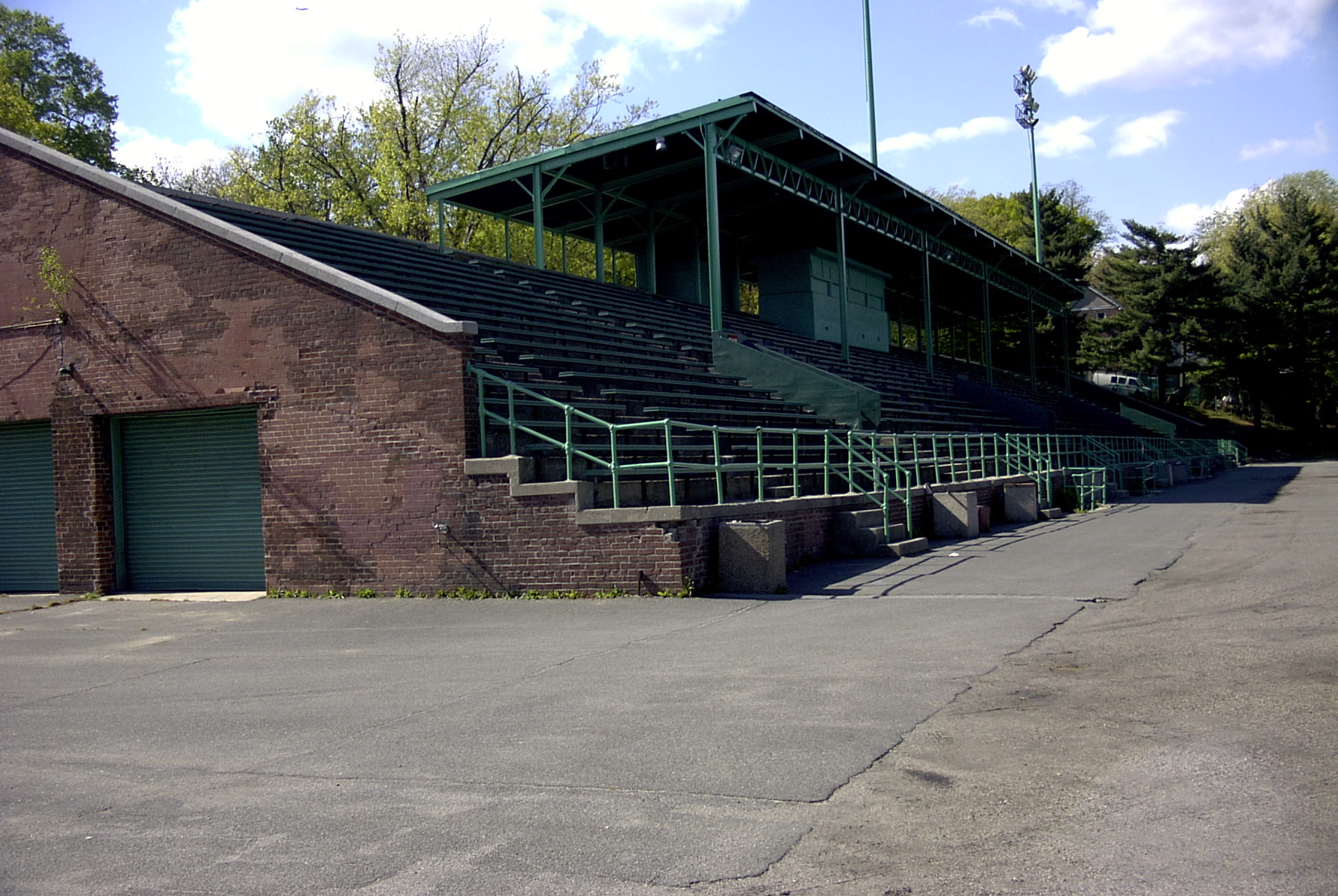
The grandstand at Memorial Field in Mount Vernon, tiered concrete seating under a green steel canopy above an old brick service building
Proof

What Construction Owners Say

Rated 5.0 on Google

Trusted by 25+ construction businesses nationwide

Procore logo Listed on theProcore Network

They didn’t just record transactions and call it a day. They built a custom chart of accounts around how a remodeling company actually runs, did a full catch-up on years of bookkeeping inside QuickBooks Online, and now stay on top of my monthly bookkeeping and payroll. Every step, they broke it down in simple terms instead of burying me in accountant talk.

Oniel Campbell, Founder of Moonz Contracting
Oniel Campbell
Moonz Contracting Founder

FinTruction rebuilt the whole thing from the ground up, with real job costing, work in progress, and retainage. They didn’t just hand me reports and disappear; they walked me through my numbers until I understood them.

Carl Moore, Owner of Hearth & Haus
Carl Moore
Hearth & Haus Owner
Dalton Mayberry, Owner of ProperCoat Painting
Sahil and his team handle the bookkeeping and job costing for my painting business. They cleaned up my books and set up integrations that give me accurate, timely job costing with solid weekly data. Reliable, detailed, and genuinely invested in getting the numbers right.
Dalton Mayberry
ProperCoat Painting
Owner

FinTruction is the only bookkeeping team we’ve found that truly understands construction accounting and WIP reporting. They aligned our income and costs across 21 jobs and gave us full, monthly transparency. Fast, accurate, and an indispensable partner.

John Wesley Sebastian, President of B&B Concrete
John Wesley Sebastian
B&B Concrete President

When I came to FinTruction I had no financial structure. No job costing, no WIP tracking, books behind. They did a full cleanup and rebuilt job costing and WIP tracking in QuickBooks. Now I know what’s billed, what’s owed, and where every job stands.

Clay Pearson, Owner of C. Pearson Contracting Corp
Clay Pearson
C. Pearson Contracting Corp Owner
Client testimonial

Hear it straight from a client we work with

A couple of minutes from a contractor we support, sharing what working with FinTruction has been like and what changed once their numbers finally made sense.

  • An owner sharing their honest experience
  • From guessing to numbers they actually trust
  • Why they’d recommend us to other contractors
Read more reviews
FinTruction client video testimonial
What We Do

Our Construction Accounting Services in Mount Vernon

1 Contractor bookkeeping
2 QuickBooks integrations
3 Job costing
4 WIP reporting
5 Retainage management
6 Controller & CFO services

Job Costing When the Jobs Are Small and Many

Most contractors here stopped opening jobs years ago because the paperwork felt disproportionate to a four thousand dollar boiler. The result is a profit and loss statement that tells you the company made money and nothing at all about which of the two hundred things you did last year were worth doing again.

  • A light job record that a two-day job can actually carry
  • Cost codes grouped by work type, so patterns show across jobs
  • Labor hours landing on the job, including the return trip
  • Material and dumpster costs matched to the job that caused them
  • Profit by work type, so you can see what to stop bidding

QuickBooks Integrations for Your Construction Software

Every construction platform claims to have a "QuickBooks integration." Most break the moment your books need to be accurate. Sales tax mismaps, retainage disappears, change orders create duplicates, and job costing reports stop matching project reality. We fix the integration so your software, your books, and your job‑level numbers all tell the same story.

Also work with Foundation, Sage 100, Bill.com, ADP, Gusto, Ramp, and more. See all platforms we integrate →

Billing, Aging and the Lien Calendar

On repair work the money is lost between the last day on site and the invoice going out. Somebody finishes, moves to the next address, and the paperwork waits for a quiet evening that never comes. Six weeks later the customer disputes an extra nobody wrote down, and the date the clock started is already fuzzy.

  • Invoicing run on a schedule instead of when someone remembers
  • Completion dates captured per job while they are still known
  • Aging by payer, with the small landlords separated from the agencies
  • Unbilled work reported every month as its own number
  • Backup organized by job so your attorney gets it same day

Sales Tax on Repair and Rehabilitation Work

New York treats a capital improvement and a repair completely differently, and in a city where most of the work is repair the exposure usually runs toward undercollected tax rather than overpaid tax. The determination has to be made per contract and substantiated at the time, not defended years later from a stack of invoices.

  • Treatment decided and recorded when the job opens
  • Form ST-124 certificates obtained inside the ninety-day window
  • Taxable and non-taxable revenue reported separately
  • Material purchasing set up to follow the treatment
  • Exempt organization and agency work handled on its own terms

Old Building Costs That Vanish Into Overhead

Working on pre-war stock carries a standing cost base that new construction does not: lead-safe certification and training, containment and cleanup, asbestos survey and abatement coordination, unforeseen conditions once a wall is open, and the hours spent waiting on an inspector. Buried in overhead, all of it makes your small jobs look better than they are.

  • Certification and training treated as a recoverable cost of doing this work
  • Containment, disposal and cleanup coded to the job
  • Unforeseen condition work tracked separately from base scope
  • Standby and re-inspection hours visible rather than absorbed
  • Pricing reviewed against what the work actually costs to do safely

Controller and CFO Support

A repair business fails from cash, not from margin. Our controller services and CFO services answer the questions that decide whether you survive a slow quarter: how much of your money is sitting with payers who cannot pay quickly, what a truck or a second crew actually costs you, and how much work you can carry before the float runs out.

  • Monthly financial review with a real conversation
  • Payer concentration and receivable risk by customer
  • Cash forecasting across many small jobs at once
  • Crew and truck capacity analysis before you add either
  • Owner compensation and entity structure reviewed before year end
  • Financial statements a bank or a bonding agent will read
The Difference

Generic Local Bookkeeper vs FinTruction

A general bookkeeper can record transactions. Construction accounting is a different job.

What you needGeneric local bookkeeperFinTruction
Job-level costingLumps all jobs into one P&LCost codes and margin per project
WIP & revenue recognitionCash-basis, no WIP scheduleMonthly WIP with over/underbilling
Retainage trackingBuried in AR/AP, often missedTracked receivable & payable by contract
Bonding & lender packagesNot equipped to produce themBonding-ready statements and backlog
Construction softwareQuickBooks set up like a retail shopQuickBooks + integrations tuned for contractors
Local Context

The Mount Vernon Construction Market, and What It Does to Your Books

Mount Vernon metro
Where your jobs run
Accounting built around the local construction market.
Construction only
Not generic bookkeeping
Job costing, WIP, and retainage handled the way contractors need.
Remote-first
Across New York
Full support without an in-house hire, anywhere you build.

Mount Vernon is a little over four square miles of city with roughly sixteen thousand eight hundred people in each of them at the 2020 census, which makes it one of the most densely populated places in New York State outside the five boroughs. It runs right up against the Eastchester and Wakefield sections of the Bronx along its southern edge. It was substantially built out generations ago, and the building stock reflects that: brick apartment blocks, two and three family houses, storefronts with apartments over them, schools and institutional buildings that predate the war, and the water, sewer and street infrastructure that went in underneath all of it at the same time.

So the work here is not what construction marketing assumes construction work is. There is very little greenfield. There is an enormous amount of replacing, repairing, opening up, correcting and turning over. A busy Mount Vernon contractor is not managing three projects, they are managing thirty five open tickets, most of which will be finished and invoiced inside a month, several of which will run over because of what was found behind the wall, and a few of which will quietly never get billed at all.

The customers are the second half of the story. A large share of the private work is bought by small landlords and owner-occupiers who are paying out of a rent roll or a savings account, not a construction loan. They are not slow because they are difficult, they are slow because the money is genuinely tight, and a surprise on your job is a surprise in their household. On the public side the city has had a long and public struggle with its own financial administration, to the point where Moody's withdrew its credit rating in 2019 after audited financial statements were not provided. Municipal water, sewer and street work is a real and continuing part of this market, and it is also work where you will be financing your customer for a while.

One honest note about geography. Mount Vernon is inside the New York City metropolitan area and the Bronx begins at the end of some of these streets, so plenty of contractors here work on both sides of the line and some of what you read about the city applies. If a meaningful share of your work is physically performed in the five boroughs, read our page on construction accounting in New York City, because the city tax and permitting picture is genuinely different. But if your trucks mostly stay in Westchester, the NYC playbook is not your playbook, and running your books to it will cost you attention you need elsewhere.

Compliance

New York Rules That Land Directly on a Repair Contractor

1 Lien Law Section 10, and Why Four Months Matters Here

A notice of lien may be filed at any time during the progress of the work and the furnishing of the materials, or within eight months after completion of the contract or the final performance of the work and the final furnishing of the materials. Where the improvement is to real property improved or to be improved with a single family dwelling, that period is four months rather than eight. Mount Vernon has a lot of one and two family housing, so both clocks run in the same company in the same week. We are not attorneys and we do not file notices. We keep the last date on site recorded against each job so nobody is reconstructing it from a text message.

2 General Business Law Article 35-E Probably Does Not Cover You

New York's prompt payment rules for private construction apply to a construction contract where the aggregate cost of the project, including all labor, services, materials and equipment to be furnished, equals or exceeds one hundred fifty thousand dollars. The article also excludes public work and several residential categories, among them an individual one, two or three family residential dwelling and residential projects of four thousand five hundred square feet or less. Most Mount Vernon repair contracts sit outside it. That is worth knowing before you rely on it, because it means your written terms and your documentation are doing all the work that a statute is doing for a contractor across town on a tower.

3 Sales Tax: Repair Is Taxable, Capital Improvement Is Not

In New York a capital improvement to real property is not subject to sales tax on the labor, while repair, maintenance and installation services to real property are taxable. Form ST-124, the certificate of capital improvement, is the substantiation, and the customer has to give it to you within ninety days after the service is rendered. A properly completed certificate accepted in good faith shifts the burden of proving the transaction was taxable onto the customer. In a market this repair heavy, the common error is not aggressive tax planning, it is a habit of treating everything as exempt on jobs that were never capital improvements at all. Westchester also has more than one local rate in play, so confirm the combined rate for the jurisdiction the job sits in.

4 Lead-Safe Renovation on Pre-1978 Housing

The federal Renovation, Repair and Painting program covers homes, childcare facilities and preschools built before 1978, and requires that anyone paid to perform work that disturbs painted surfaces in those buildings be certified, with employees trained. In a city built out well before that date this is not an edge case, it is the default condition of the work. The accounting point is that certification, training, containment and cleanup are recurring costs of being allowed to do this work at all, and they belong in your pricing and your job costs rather than in a general overhead account nobody reads.

5 Lien Law Article 3-A Trust Funds

Money received on a New York construction contract is a trust asset held for the beneficiaries of that job, and section 75 requires the trustee to keep books or records for each trust, including a record showing the allocation to each trust where several trusts share one bank account. Failing to keep them is presumptive evidence that trust funds were applied outside the trust. For a company running thirty jobs through one operating account, that allocation record is the entire defense, and it cannot be built retrospectively with any credibility.

6 Public and Grant-Funded Work Comes With Its Own Paperwork

Municipal and agency-funded infrastructure and housing work carries wage, reporting and documentation conditions written into the contract and the funding agreement rather than into a single statute, and prevailing wage and certified payroll obligations can attach depending on how the job is funded. Read the contract and the funding source before you price it, and set the job up to produce what it asks for from week one. Retrofitting compliance onto a job already underway is where the margin goes.

Who We Serve

Mount Vernon Contractors and Trades We Work With

We support the trades that keep an older city standing, from the mechanical and plumbing firms who live on emergency calls to the small general contractors turning over apartments building by building.

General Contractors
Small Multifamily Rehab
Plumbing Contractors
Heating & Boiler Specialists
Electrical Contractors
Roofing Contractors
Masonry & Pointing
Water & Sewer Contractors
Excavation & Site Utilities
Concrete & Sidewalk
Violation Removal Specialists
Lead & Asbestos Abatement
Painting & Interior Finish
Windows & Facade Repair
Property Maintenance Contractors

Running a Construction Company in Mount Vernon?

Get Your Free Audit
Why FinTruction

Why Mount Vernon Contractors Choose FinTruction

A fair question if you already have a bookkeeper, or a cousin who does the return every April. Here is the honest answer.

  • Construction is the only industry we work in, so a forty-job month is normal to us rather than alarming
  • Sahil Ahmad, CPA reviews the work, so you are not relying on a data entry pool
  • We build a job record light enough that a two-day job actually gets one
  • We work inside the tools you already run: QuickBooks, Buildertrend, ServiceTitan, Procore and Knowify
  • A flat monthly fee, so asking a question does not start a clock
  • A free Audit first, so you can see what is wrong before committing to anything
Systems

The Software You Already Run, Set Up Properly

Most Mount Vernon contractors do not need another subscription. They need the file they already pay for configured so that a small job can be opened, costed and billed without it feeling like a project.

QuickBooks Set Up for High-Volume Small Work

The QuickBooks files we inherit here were usually set up by someone who assumed you sell products. Customers exist, jobs do not, everything lands in one income account, and there is no way to ask the file which kind of work pays and which kind you have been subsidising for years.

  • Chart of accounts rebuilt for job costing
  • Cost codes grouped by work type rather than by project
  • A job template quick enough to use on every ticket
  • Taxable and non-taxable revenue split for the sales tax return
  • Payroll connected so labor and burden land on the job
  • Trust fund allocation visible per project

Is your QuickBooks file hiding your best work?

Field and Dispatch Integrations

If your crews are already logging calls, hours and materials on a phone, that data should reach the accounting without anyone retyping it. The office should be checking numbers, not creating them a second time from a pile of paper on Friday afternoon.

One set of numbers that the field and the office both believe.

Reporting a Repair Business Can Actually Use

Once the systems talk to each other, the monthly reporting stops being a history lesson and starts being a list of decisions. These are the numbers Mount Vernon contractors use to decide what to chase and what to stop taking:

  • Profit by work type, not just profit by month
  • Unbilled completed work as a standing line item
  • Receivables aged by payer with the slow accounts named
  • Jobs open past their expected completion date
  • Cash forecast that assumes your slowest payer stays slow

See how we have done this for other contractors in our construction accounting case studies.

Answers

Mount Vernon Construction Accounting Questions

Most of our jobs are under ten thousand dollars. Do we really need job costing?

More than a contractor running three large jobs does, actually. On a large contract the money is visible: one budget, one billing schedule, one owner calling every week. On forty small jobs the money is invisible by design. Nobody notices that the boiler swap on South Fulton ran two extra days, or that the roof on Gramatan absorbed a dumpster nobody billed, because each individual leak is too small to argue about. Add them up over a year and they are the whole difference between a good year and a flat one. Job costing on small work is not about precision, it is about being able to see a pattern at all.

How long do we have to file a mechanic's lien in New York?

Lien Law section 10 lets you file at any time during the progress of the work, or within eight months after completion of the contract or the last item of work performed and materials furnished. Where the improvement is to real property improved or to be improved with a single family dwelling, the period is four months rather than eight. In Mount Vernon that difference is not academic, because plenty of your work is on one and two family houses. We are not attorneys and we do not file notices. What we do is keep the last date on site recorded per job, so your attorney is working off a real date rather than a foreman's memory.

Does the New York prompt payment act help us get paid faster?

On most Mount Vernon repair work, no, and that surprises people. General Business Law article 35-E applies to a construction contract where the aggregate cost of the project, including all labor, services, materials and equipment, equals or exceeds one hundred fifty thousand dollars. It also carves out public work and a list of residential situations, including an individual one, two or three family dwelling and residential projects of four thousand five hundred square feet or less. A great deal of the work in this city falls outside it on both counts. That means the statutory clock is not going to rescue you. Your contract terms, your invoicing discipline and your lien rights are the leverage you actually have.

Is our repair work taxable in New York, or is it a capital improvement?

In a repair driven market the risk runs the opposite way from a new construction market. A capital improvement to real property is not subject to sales tax on the labor. Repair, maintenance and installation services are taxable. Contractors who came up doing rehab often carry a habit of treating everything as a capital improvement, and in Mount Vernon most of the work genuinely is not one. The substantiation is Form ST-124, the certificate of capital improvement, which the customer gives you and which has to be obtained within ninety days of the service being rendered. Obtained at job setup it is routine paperwork. Chased later it usually cannot be obtained at all.

Almost every building we touch is pre-war. What does that do to our books?

It puts a permanent compliance cost inside jobs that are priced like simple ones. The federal Renovation, Repair and Painting rule covers homes, childcare facilities and preschools built before 1978, and requires that anyone paid to perform work disturbing painted surfaces be certified, with their employees trained. Mount Vernon is almost entirely pre-1978 stock, so that is not an occasional job type, it is your whole market. Firm certification, renovator training, containment materials and the extra hours all cost money. Most files we inherit bury them in overhead, which quietly makes every small job look more profitable than it is and every price look more competitive than it should be.

What is Article 3-A and why should a small contractor care?

Funds you receive on a New York construction contract are trust assets, held for the people who worked on and supplied that job. Section 75 requires the trustee to keep books or records for each trust, including a record showing the allocation to each trust where several share one bank account. Failure to keep them is presumptive evidence that trust funds were applied outside the trust. That is an unusually direct line from bookkeeping quality to personal exposure. The classic small contractor failure is paying last month's supplier out of this month's deposit, which is exactly the pattern the rule exists to catch. We treat the trust record as a monthly close item rather than something to reconstruct under pressure.

We do work for the City of Mount Vernon and it pays slowly. Can accounting help?

It cannot make a municipality pay faster, and anyone who tells you otherwise is selling something. What it can do is stop the slow payer from taking the rest of your company down with it. That means knowing, at any moment, how much of your receivable balance sits with one payer and how old it is, what you have already spent against work you have not been paid for, and what the cash position looks like if that money arrives ninety days later than promised. Mount Vernon has had public difficulty with its own financial reporting, including Moody's withdrawing its credit rating in 2019 after audited financial statements were not provided. Plan around the payer you actually have.

We take work in the Bronx too. Does crossing the line change anything?

Yes, and it is worth settling before it becomes a filing problem. New York City imposes an unincorporated business tax on income earned from business carried on in the city, which reaches partnerships and sole proprietorships, and city work brings its own permitting, insurance and wage rules that Westchester work does not. That is a different set of problems from the ones on this page, and we cover them on our page for construction accounting in New York City. The accounting requirement is simple and unglamorous: your jobs have to be tagged by where the work was physically performed, from the first day, because allocating income by location later is guesswork.

Which parts of southern Westchester do you work with?

Mount Vernon, Pelham, Eastchester, Bronxville, Tuckahoe, New Rochelle, Yonkers, Scarsdale and the surrounding Sound Shore and Bronx River communities, plus contractors based here who take work across the line into the Bronx. Our work is fully remote, so you get construction-specific accounting from a firm that does nothing else, without paying toward an office you would never visit.

How do we start, and what does it cost?

Start with the free Audit. Send your current file and a list of the jobs you have open, and we will tell you what is wrong, what it is costing you, and whether anything in there could actually tell you which jobs made money. No obligation. After that it is a flat monthly fee based on transaction volume, active jobs and reporting needs, so asking a question does not start a clock. Sahil Ahmad, CPA reviews the work.

Nearby

Cities We Serve in New York

FinTruction provides construction accounting across New York State. Select your city below for job costing, WIP and contractor bookkeeping support in your market.

Also available

Just want the books kept current every week?

If the pricing and the paperwork are already fine and the real problem is that nobody has coded a receipt since March, our construction bookkeeping service covers the weekly mechanics: cost coding, AP, AR, payroll runs and reconciliations.

Construction Bookkeeping Services

Construction Bookkeeping Services in New York

Not Seeing Your City?

We serve contractors across all of New York State. View all locations →

Find Out Which of Your Mount Vernon Jobs Actually Made Money

Send us your current file and a list of the jobs you have open. We will tell you what is wrong with it, what it is costing you, and whether it could answer a single useful question about the last twelve months. No charge and no obligation for the Audit.

Get Expert Construction Accounting Support in Mount Vernon

Trusted by 25+ Construction Companies
Response Within 24 Hours
Free Consultation, No Obligation

Request a Free Consultation

Looking for professional construction accounting in Mount Vernon? Fill out the short form below and our contractor bookkeeping team will contact you within 24 hours.