Tacoma metro
Where your jobs run
Accounting built around the local construction market.
Construction only
Not generic bookkeeping
Job costing, WIP, and retainage handled the way contractors need.
Remote-first
Across Washington
Full support without an in-house hire, anywhere you build.
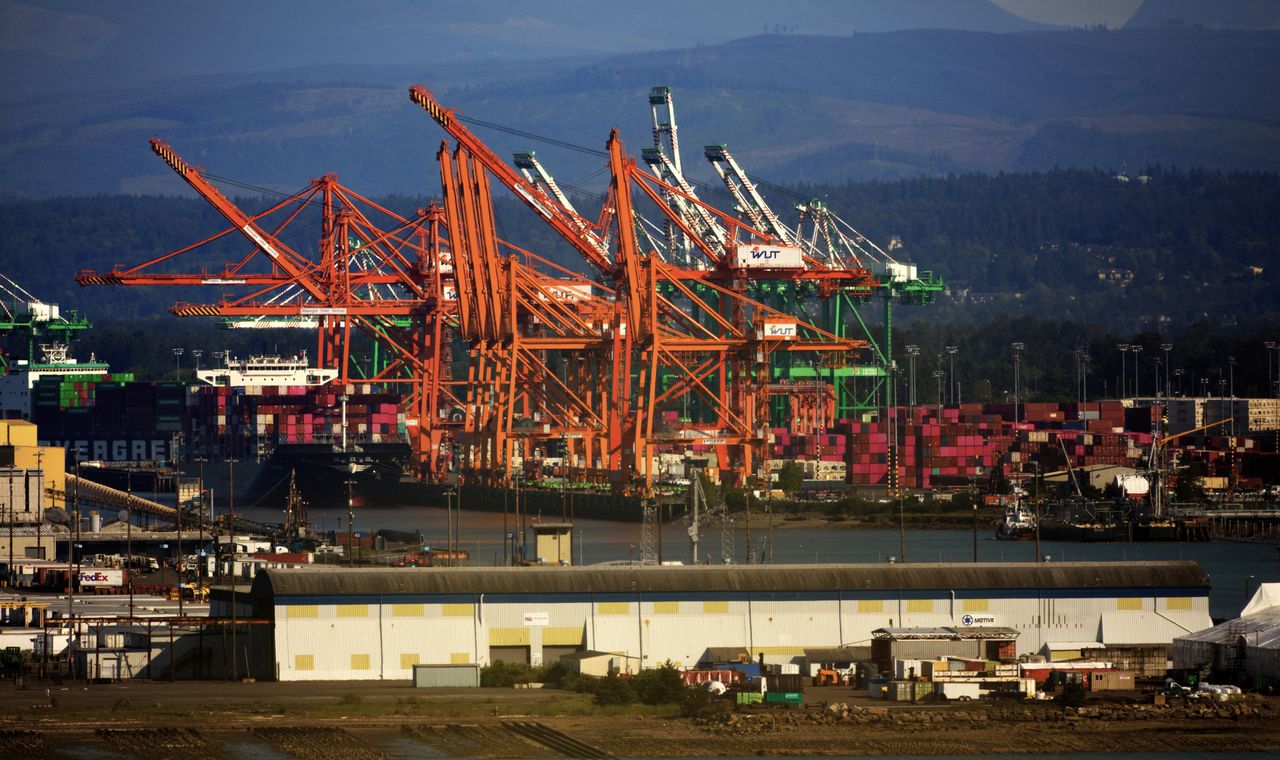
Tacoma work comes in shapes that generate very different paperwork, and most contractors here run more than one shape at a time. The tideflats and the Northwest Seaport Alliance terminals produce marine, rail, paving and remediation work with public owners attached. The I-5 corridor through Fife, Sumner, Puyallup, Frederickson and DuPont has been absorbing warehouse and distribution construction for years, which is tilt-up, site work and a long vendor list per job. Joint Base Lewis-McChord to the south feeds a steady sub tier of federal work with its own wage and record keeping rules. Healthcare buildouts for the big Tacoma hospital systems add tenant improvement work on occupied sites. And behind all of it sits a housing stock that is genuinely old, so remodel and repair crews are busy in the North End, Proctor, Hilltop and the Stadium District while multifamily goes up along the Thea Foss Waterway and at Point Ruston.
One contractor moving between those four or five worlds in a single quarter is normal here, and it is exactly what buries a bookkeeping function. A public tideflats job needs certified payroll every week. A warehouse in Sumner needs a different sales tax location code than the same builder's job in Lakewood. A remodel in the North End sits in a different L&I risk class than the crew pouring slab in Frederickson. None of those are hard decisions individually. They are hard because there are hundreds of them a month and each one has to be made at the moment of entry by someone who knows the difference.
When the entry stops keeping up, the damage is quiet. Costs pile up under vendor names, so no report can tell you which job made money. Payroll goes in as a lump, so the burden is wrong and the quarterly hours report is a reconstruction. Retainage disappears into receivables and nobody chases it. The B&O return gets estimated from the bank balance. Then the year ends and the CPA quotes a cleanup that costs more than a year of doing it properly would have. The work was profitable. The recording is what put the company at risk.
That is the whole job here. We catch the file up, put the coding decisions in front of people who make them correctly every time, and hold a fixed close date so it stays that way. If your project managers already run commitments and change orders in a platform, we connect it, and our Procore and QuickBooks integration work means the office is not retyping what the field already entered. You can also see how the same catch-up and coding work played out for other contractors in our construction bookkeeping case studies.